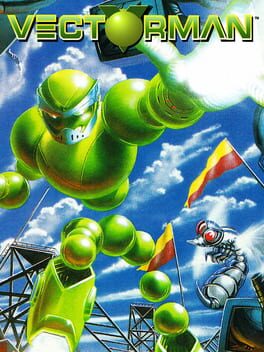
Vectorman Mega Drive
Recent eBay Listings
- Vectorman SEGA Mega Drive PAL | Tested Working | Free UK Postage £34.99
- Vectorman - Sega Mega Drive - Complete with Manual - Megadrive - Tested Working £22.57
- Vectorman - Sega Megadrive £8.65
- Vectorman Sega Mega Drive No Manual £19.36
- VECTORMAN - SEGA MEGA DRIVE - UK PAL - NO MANUAL - BOXED & TESTED £24.57
- Sega Genesis / Megadrive Vectorman - NTSC works PAL - UK Seller £12.93
Price History
| Date | Avg Price | Low | High | Sales |
|---|---|---|---|---|
| 2026-08-06 | £37.79 | £8.65 | £154.10 | 10 |
| 2026-08-05 | £37.79 | £8.65 | £154.10 | 10 |
| 2026-08-04 | £37.77 | £8.65 | £153.88 | 10 |
| 2026-08-03 | £30.35 | £8.65 | £65.99 | 9 |
| 2026-08-02 | £42.80 | £8.65 | £153.88 | 10 |
| 2026-08-01 | £40.22 | £8.65 | £153.88 | 9 |
| 2026-07-31 | £40.22 | £8.65 | £153.88 | 9 |
| 2026-07-30 | £40.22 | £8.65 | £153.88 | 9 |
| 2026-07-29 | £25.86 | £8.65 | £39.00 | 9 |
| 2026-07-28 | £40.23 | £8.65 | £153.88 | 9 |
| 2026-07-27 | £25.86 | £8.65 | £39.00 | 9 |
| 2026-07-26 | £26.24 | £8.65 | £39.00 | 9 |
Screenshots
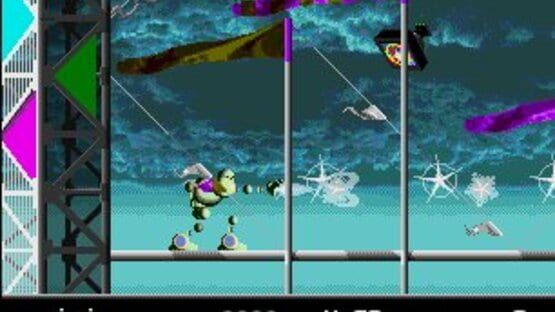
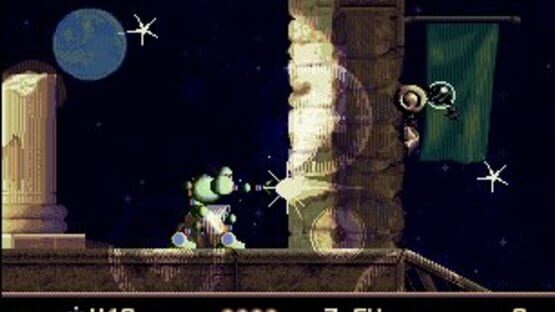
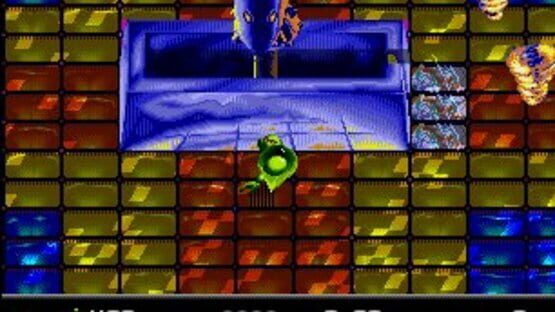
Game History
Vectorman was developed by BlueSky Software and published by Sega for the Mega Drive (Genesis) console. The game was programmed by Jon Burton, a renowned developer who had previously worked on other Mega Drive titles. Development began in the early 1990s as Sega sought to showcase the technical capabilities of their aging hardware with visually impressive software.
Vectorman was released in North America in May 1993, followed by European release later that year. The game arrived during the final years of the Mega Drive's commercial lifecycle, as the Sega Saturn was already in development.
The game received positive reviews from gaming publications at launch, with critics praising its distinctive vector-based graphics, smooth animation, and challenging gameplay. It performed respectably in sales but was not a blockbuster title, partly due to its late release in the console's lifecycle and competition from other established franchises.
Vectorman's historical significance to collectors stems from several factors. The game is notable for its pioneering use of pre-rendered vector graphics, which gave it a unique visual style distinct from sprite-based competitors. This technical achievement, combined with its solid gameplay and relative scarcity compared to earlier Mega Drive releases, has made original cartridges increasingly valuable to retro gaming collectors. The title has developed a dedicated cult following over the decades.
An interesting development story involves the game's creation during a period when Sega was transitioning away from the Mega Drive. Despite this, BlueSky Software created a game that many fans consider one of the console's technical showcases. The game spawned a sequel, Vectorman 2, released in 1995, though it is less fondly remembered by collectors.
Today, Vectorman is recognized as a significant late-era Mega Drive release that represents the console's technical capabilities and the creativity of third-party developers. Original cartridges command respectable prices in the collector's market, and the game has been re-released through various Sega compilation packages, introducing it to newer audiences.