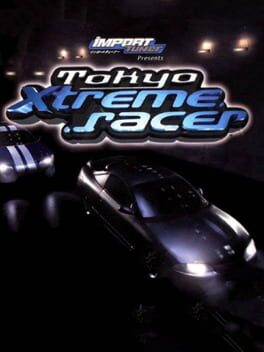
Tokyo Xtreme Racer Dreamcast
Recent eBay Listings
- Tokyo Xtreme Racer Import Tuner Sega Dreamcast Cars 1999 Advertisement £10.83
- Tokyo Xtreme Racer Sega Dreamcast Import Tuner Crave 1999 Advertisement £10.83
- Tokyo Xtreme Racer Sega Dreamcast Crave Promo 2000 Advertisement £10.83
- Tokyo Xtreme Racer Sega Dreamcast Crave Promo Feb 2000 Full Page Advertisement £10.83
Price History
| Date | Avg Price | Low | High | Sales |
|---|---|---|---|---|
| 2026-07-28 | £10.83 | £10.83 | £10.83 | 4 |
| 2026-07-27 | £10.80 | £10.80 | £10.80 | 4 |
| 2026-07-26 | £10.80 | £10.80 | £10.80 | 4 |
| 2026-07-25 | £10.80 | £10.80 | £10.80 | 4 |
| 2026-07-24 | £10.81 | £10.81 | £10.81 | 4 |
| 2026-07-23 | £10.76 | £10.76 | £10.76 | 4 |
| 2026-07-22 | £10.76 | £10.76 | £10.76 | 4 |
| 2026-07-21 | £10.71 | £10.71 | £10.71 | 4 |
| 2026-07-20 | £10.70 | £10.70 | £10.70 | 4 |
| 2026-07-19 | £10.70 | £10.70 | £10.70 | 4 |
| 2026-07-18 | £10.70 | £10.70 | £10.70 | 4 |
| 2026-07-17 | £10.68 | £10.68 | £10.68 | 4 |
Screenshots
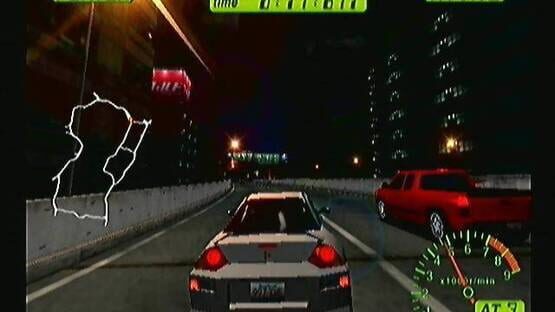

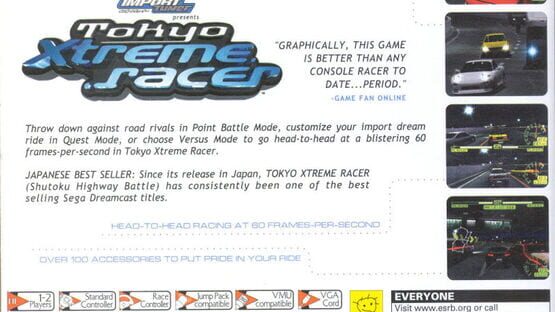
Game History
Tokyo Xtreme Racer was developed by Genki and published by Sega for the Dreamcast console. The game was created during the height of the Dreamcast's lifecycle and represented Genki's attempt to bring a unique street racing experience to the platform, distinguished by its focus on Japanese underground racing culture rather than traditional circuit racing.
The game was first released in Japan on February 10, 2000, followed by a North American release on September 14, 2000. It did not receive an official European release during the Dreamcast era. The Japanese title was "Shutokou Battle," which translates to "Capital Expressway Battle," reflecting the game's setting on Tokyo's highway system.
Tokyo Xtreme Racer received mixed critical reception upon launch. Reviewers praised its novel approach to racing gameplay, which emphasized one-on-one street races and rival confrontations over traditional circuit racing. However, some criticized the game's graphics, which were considered underwhelming even by Dreamcast standards, and its somewhat limited replay value. Despite mixed reviews, the game found a dedicated audience in North America and became particularly popular in Japan.
Today, Tokyo Xtreme Racer holds historical significance for collectors as one of the Dreamcast's most distinctive exclusive racing titles and an early example of the street racing genre that would later flourish on PlayStation 2. The game spawned two sequels on Dreamcast and subsequent installments on other platforms, establishing a franchise that remained active in Japan for years. The original Dreamcast version is sought after by collectors due to the console's cult following and the game's role in defining a specific subgenre of racing games.
An interesting aspect of Tokyo Xtreme Racer's development was Genki's decision to create a racing game centered entirely around highway street racing rather than established tracks, a concept that was relatively unconventional for the racing game genre at the time. The game's focus on the Tokyo metropolitan area and Japanese street racing culture gave it a distinctive identity that appealed to players seeking alternatives to traditional racing simulations.