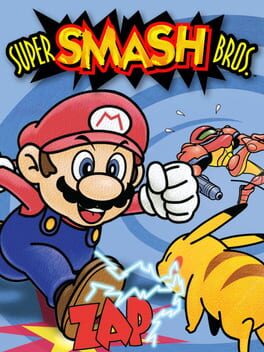
Super Smash Bros. N64
Recent eBay Listings
- N64 SUPER SMASH BROS GAME NINTENDO 64 - MARIO Cartridge £31.50
- Super Smash Bros Nintendo 64 N64 USA Cartridge £37.10
- N64 SUPER SMASH BROS GAME TESTED WORKING NINTENDO 64 - MARIO Cartridge £31.90
- Nintendo Super Smash Bros. PAL Fighting Nintendo 64 N64 Cartridge TESTED £31.89
- Super Smash Bros Nintendo 64 N64 PAL Genuine Cartridge Tested Working £39.99
- Super Smash Bros N64 Nintendo 64 Authentic Cartridge Only - CLEAN & Tested £54.99
Price History
| Date | Avg Price | Low | High | Sales |
|---|---|---|---|---|
| 2026-08-06 | £42.65 | £31.50 | £54.99 | 10 |
| 2026-08-05 | £43.16 | £31.50 | £54.99 | 10 |
| 2026-08-04 | £43.16 | £31.50 | £54.99 | 10 |
| 2026-08-03 | £43.49 | £31.89 | £54.99 | 10 |
| 2026-08-02 | £46.81 | £34.80 | £54.99 | 10 |
| 2026-08-01 | £46.81 | £34.80 | £54.99 | 10 |
| 2026-07-31 | £43.53 | £14.84 | £54.99 | 10 |
| 2026-07-30 | £50.84 | £34.89 | £69.34 | 10 |
| 2026-07-29 | £51.16 | £34.89 | £75.00 | 10 |
| 2026-07-28 | £45.39 | £15.04 | £75.00 | 10 |
| 2026-07-27 | £39.22 | £8.66 | £52.70 | 10 |
| 2026-07-26 | £62.84 | £44.27 | £100.00 | 10 |
Screenshots
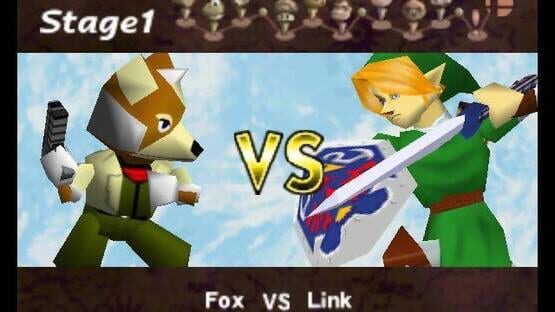
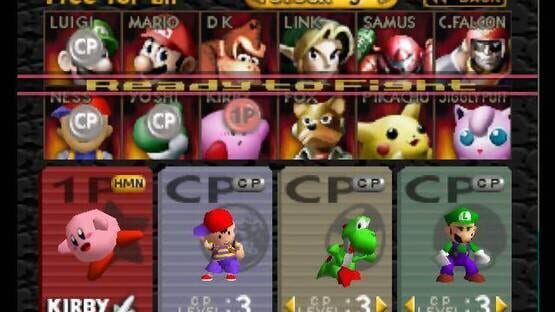
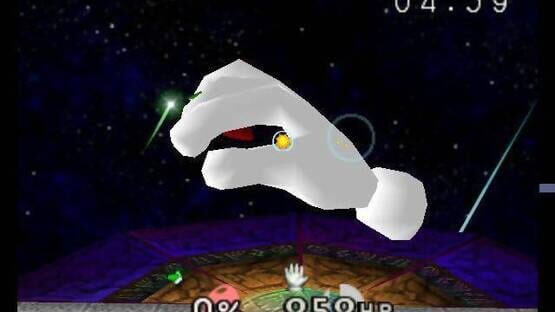
Game History
Super Smash Bros. was developed by Nintendo and HAL Laboratory, with director Masahiro Sakurai leading the project. The game was created as a celebration of Nintendo's character roster and was initially conceived as a smaller, more experimental title compared to Nintendo's flagship franchises at the time.
The game was released in Japan on January 21, 1999, followed by a North American release on April 26, 1999. It launched in Europe in October 1999. These staggered releases reflected Nintendo's typical regional rollout strategy of that era.
Super Smash Bros. received strong critical acclaim, with reviewers praising its accessible gameplay, innovative fighting mechanics, and nostalgic appeal to Nintendo fans. The game was praised for making the fighting game genre approachable to casual players while offering depth for competitive play. It became a commercial success, selling over 5 million copies worldwide and establishing itself as one of the Nintendo 64's strongest titles.
The game is historically significant to collectors today for several reasons. As the original entry in what would become one of gaming's most successful franchises, it holds considerable value both financially and culturally. Complete in-box copies with original packaging command premium prices in the collector's market, particularly Japanese versions. The game's rarity has increased over time as cartridges have degraded or been lost.
An interesting development story involves the game's relatively modest initial scope. Sakurai has explained that the project was greenlit partly because Nintendo had resources available, and the team wanted to create something fun without the pressure of launching a major new franchise. The game's success exceeded expectations and directly led to the sequel, Super Smash Bros. Melee, for the GameCube.
The original 1999 N64 version featured 12 playable characters and 9 stages. Despite its smaller roster compared to later entries in the series, it established the core fighting mechanics and game design philosophy that would define Super Smash Bros. going forward, making it a foundational title in fighting game history.