
Sonic the Hedgehog Mega Drive
Recent eBay Listings
- Sonic the Hedgehog (Sega Mega Drive, 1991) **CARTRIDGE ONLY** £6.99
- Sonic the Hedgehog MEGA DRIVE Cartridge Type Clear File £42.22
- SEGA Sonic the Hedgehog Sega Mega Drive Platformer Cartridge w/ Manual & Case £9.99
- Sonic the Hedgehog (Sega Mega Drive, 1991) Game Cartridge Only Sonic 1 £8.95
- Sonic The Hedgehog Spinball - SEGA Mega Drive (Cartridge Only) £5.00
- Sega Mega Drive Sonic The Hedgehog 2 Game, Cartridge, Box and Manual £13.00
Price History
| Date | Avg Price | Low | High | Sales |
|---|---|---|---|---|
| 2026-08-06 | £12.01 | £2.99 | £42.22 | 10 |
| 2026-08-05 | £12.17 | £2.99 | £42.26 | 10 |
| 2026-08-04 | £14.80 | £2.99 | £42.17 | 10 |
| 2026-08-03 | £13.97 | £2.99 | £42.17 | 10 |
| 2026-08-02 | £11.79 | £2.99 | £42.17 | 10 |
| 2026-08-01 | £13.12 | £2.99 | £42.17 | 10 |
| 2026-07-31 | £11.29 | £2.99 | £47.20 | 10 |
| 2026-07-30 | £12.88 | £4.00 | £42.73 | 10 |
| 2026-07-29 | £13.73 | £4.99 | £42.61 | 10 |
| 2026-07-28 | £13.50 | £4.99 | £42.61 | 10 |
| 2026-07-27 | £11.31 | £4.49 | £42.61 | 10 |
| 2026-07-26 | £11.52 | £4.99 | £47.14 | 10 |
Screenshots
Game History
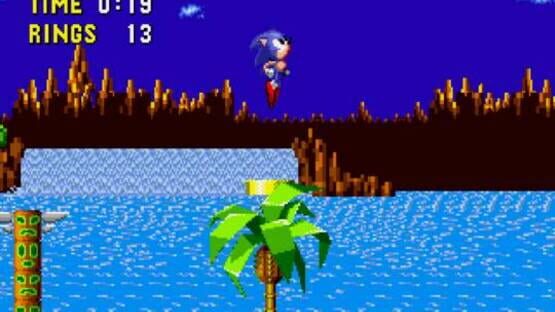
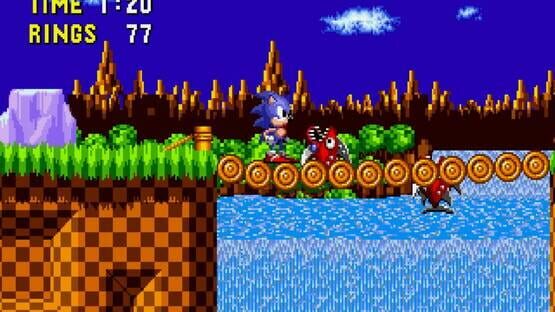
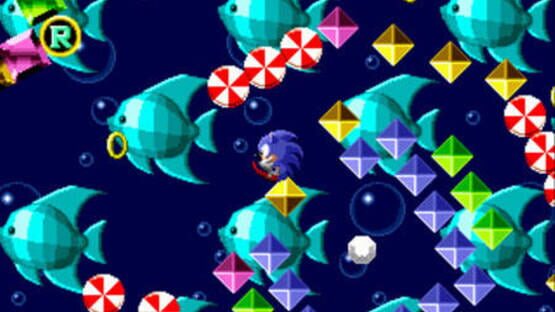
Sonic the Hedgehog was developed by Sega's internal AM8 division and released for the Mega Drive (Genesis in North America) on June 23, 1991 in Japan, followed by August 1991 in North America and September 1991 in Europe. The game was directed by Naoto Ohshima and programmed by Yuji Naka, with music composed by Masato Nakamura.
The game received critical acclaim upon release, with reviewers praising its fast-paced gameplay, colorful graphics, and responsive controls. Sonic quickly became Sega's mascot and a flagship title for the Mega Drive, establishing an iconic blue hedgehog character that would define the console's identity. The game's commercial success was substantial, selling millions of copies worldwide and becoming one of the best-selling games on the system.
Sonic the Hedgehog is historically significant to collectors today as one of the most important titles in video game history. It marked a turning point in the 16-bit console wars, directly challenging Nintendo's dominance and establishing Sega as a viable competitor. Original cartridges, particularly early pressings and variant versions, command premium prices in the collector's market. The game's cultural impact extended beyond gaming, spawning an extensive multimedia franchise including cartoons, comics, and merchandise.
An interesting development story involves the character's design evolution. The original mascot concept was Rad Rabbit, but the team ultimately settled on a hedgehog, with Ohshima's design of a cool, attitude-filled character becoming the final version. The game's development was relatively rapid, taking advantage of existing Sega hardware knowledge to deliver a technically impressive showcase for the Mega Drive's capabilities.
The original Sonic the Hedgehog cartridge remains sought-after by collectors, with sealed copies and first-edition releases fetching considerable sums. The game's influence on game design, character-driven franchises, and console marketing strategies remains evident in the industry today, cementing its position as a landmark title in interactive entertainment history.