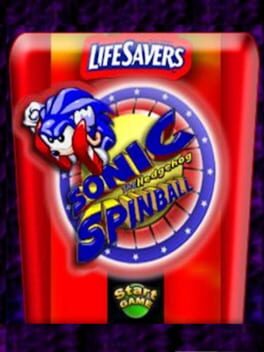
Sonic Spinball Mega Drive
Recent eBay Listings
- Sonic The Hedgehog Spinball - SEGA Mega Drive (Cartridge Only) £5.00
- Sonic Spinball (Sega Mega Drive), cartridge only, tested & working £3.99
- Sega Mega Drive – Sonic Spinball – Complete Boxed With Manual Tested VGC £21.99
- Sonic The Hedgehog Spinball Sega Mega Drive (PAL) £11.99
- Sonic Spinball | Sega Mega Drive | 16-bit cartridge with manual £19.36
- Sonic the Hedgehog Spinball | Sega Mega Drive | Cartridge Only | Tested £14.38
Price History
| Date | Avg Price | Low | High | Sales |
|---|---|---|---|---|
| 2026-08-06 | £14.70 | £3.99 | £27.73 | 10 |
| 2026-08-05 | £13.15 | £3.99 | £19.36 | 10 |
| 2026-08-04 | £13.15 | £3.99 | £19.36 | 10 |
| 2026-08-03 | £14.16 | £3.99 | £27.73 | 10 |
| 2026-08-02 | £14.16 | £3.99 | £27.73 | 10 |
| 2026-08-01 | £14.27 | £3.99 | £27.73 | 10 |
| 2026-07-31 | £12.96 | £3.99 | £27.73 | 10 |
| 2026-07-30 | £13.67 | £3.99 | £27.73 | 10 |
| 2026-07-29 | £13.96 | £3.99 | £27.73 | 10 |
| 2026-07-28 | £14.18 | £5.18 | £19.36 | 10 |
| 2026-07-27 | £13.96 | £3.99 | £27.73 | 10 |
| 2026-07-26 | £13.87 | £3.99 | £27.73 | 10 |
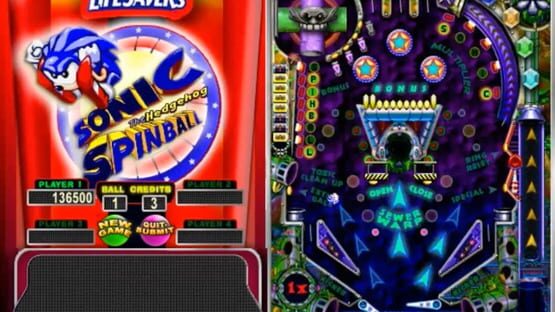
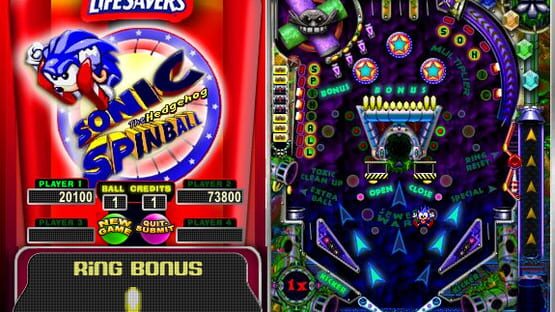
Screenshots
Game History
Sonic Spinball was developed by Sega's internal teams and released for the Sega Genesis (Mega Drive) in 1993. The game was directed by Masaru Oda and combined the pinball genre with the Sonic the Hedgehog franchise, representing an unusual spin-off during the character's early peak in popularity.
The game launched in North America in November 1993, followed by releases in Japan and Europe in subsequent months. It arrived during a period when Sega was actively experimenting with different gameplay styles featuring their mascot, capitalizing on Sonic's commercial success across multiple platforms.
Critical reception was mixed upon release. While some reviewers appreciated the novelty of applying pinball mechanics to the Sonic universe, others found the controls unwieldy and the physics inconsistent compared to traditional pinball games. The game achieved moderate commercial success but never reached the sales figures of the main Sonic platformers, positioning it as a curiosity rather than a flagship title.
Today, Sonic Spinball holds modest significance in collector circles as a legitimate but unconventional entry in the Sonic canon. It represents the experimental phase of early 1990s game design and the willingness of major publishers to take creative risks with established franchises. Cartridge copies remain affordable and readily available, making it accessible to retro enthusiasts, though it is not among the most sought-after Genesis titles.
Interestingly, the game was later ported to other platforms including the Game Gear and became available through various Sonic compilation releases over the decades. The pinball-Sonic fusion concept proved unusual enough that it was rarely revisited, making the original Genesis version a distinctive artifact of early 1990s game experimentation.
Sonic Spinball ultimately represents a footnote in video game history—a bold but commercially modest attempt to merge two entertainment concepts that, while not entirely successful, demonstrated the creative ambitions of Sega during the Genesis era.