
Sonic 3D Blast Mega Drive
Recent eBay Listings
- Sega Mega Drive Sonic 3-D Blast Game Boxed With Manual VGC £44.90
- Sega Mega Drive Game Sonic 3D - VGC - £18.29
- Sonic the Hedgehog (Sega Mega Drive, 1991) Tested And Working No Manual V GOOD £7.00
- Sonic 3 Sega Mega Drive PAL Game Boxed, No Manual £31.00
- Sonic the Hedgehog (Sega Mega Drive, 1991) Tested And Working No Manual £8.99
- Sonic 3D Blast Sega Genesis Cart Only Tested Cartridge Only. £19.99
Price History
| Date | Avg Price | Low | High | Sales |
|---|---|---|---|---|
| 2026-08-06 | £23.51 | £7.00 | £74.99 | 10 |
| 2026-08-05 | £23.51 | £7.00 | £74.99 | 10 |
| 2026-08-04 | £23.60 | £7.00 | £74.99 | 10 |
| 2026-08-03 | £23.60 | £7.00 | £74.99 | 10 |
| 2026-08-02 | £23.60 | £7.00 | £74.99 | 10 |
| 2026-08-01 | £27.50 | £9.95 | £74.99 | 10 |
| 2026-07-31 | £26.00 | £8.95 | £74.99 | 10 |
| 2026-07-30 | £25.82 | £8.95 | £74.99 | 10 |
| 2026-07-29 | £25.82 | £8.95 | £74.99 | 10 |
| 2026-07-28 | £29.06 | £8.95 | £74.99 | 10 |
| 2026-07-27 | £29.06 | £8.95 | £74.99 | 10 |
| 2026-07-26 | £31.56 | £8.95 | £74.99 | 10 |
Screenshots
Game History
Sonic 3D Blast was developed by Traveller's Tales and published by Sega for the Mega Drive (Genesis) console. The game was released in North America in September 1996, followed by a European release later that year. It was created during a period when Sega was exploring different gameplay styles within the Sonic franchise.
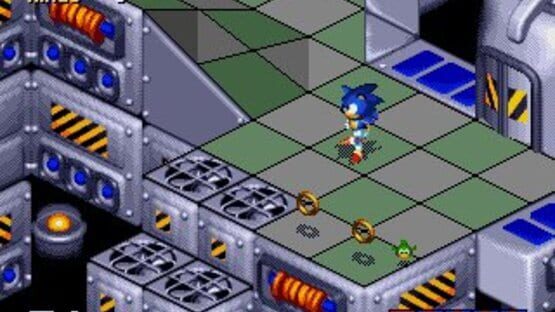
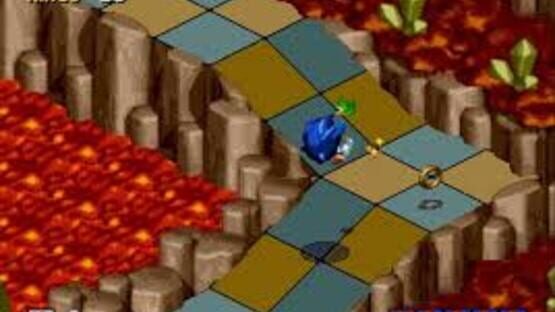
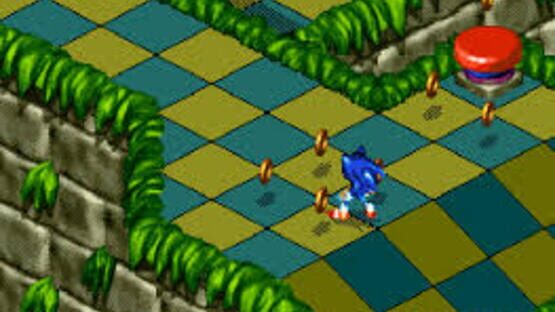
The game represented a significant departure from traditional Sonic gameplay by introducing an isometric 3D perspective rendered on the 2D Mega Drive hardware. Players controlled Sonic through colorful, polygonal-style levels while collecting Flickies (small bird creatures) that were trapped in badniks. The gameplay combined platforming with puzzle-solving elements, as players needed to free and herd the Flickies to complete levels.
Critical reception was mixed to negative at launch. Reviewers praised the visual presentation and ambitious attempt at 3D, but criticized the awkward camera angles, imprecise controls, and departure from the fast-paced platforming that defined the series. The isometric perspective made it difficult to judge distances and platform placements accurately. Despite these issues, the game sold moderately well commercially, though it underperformed compared to earlier Sonic titles.
Sonic 3D Blast has become historically significant among collectors as a curiosity piece representing Sega's experimental approach to the franchise during the mid-1990s. It exemplifies the era's widespread adoption of 3D graphics, even on hardware not ideally suited for the technology. The game is often cited in discussions about 3D transition games that did not age well or missed the mark in execution.
An interesting aspect of the game's development was that Traveller's Tales used similar isometric technology they had explored in other projects. A Sega Saturn version was later released in Japan in 1997, which featured enhanced graphics and additional content. The game has maintained a cult following among Sonic enthusiasts interested in the franchise's experimental period, and original cartridges remain sought after by collectors despite the game's mixed legacy.