
Pokémon Emerald Game Boy Advance
Recent eBay Listings
- Nintendo Pokémon Emerald Version Game Boy Advance Cartridge PAL £104.70
- Pokémon: Emerald Version Nintendo Game Boy Advance GBA Cartridge Only £12.50
- Pokemon Emerald Nintendo Game Boy Advance Genuine PAL Cartridge £140.00
- Nintendo Pokémon: Emerald Version Game Boy Advance Cartridge E NTSC-U/C MPN £52.70
- Pokemon Emerald Game Cartridge Game Boy Advance GBA - New battery £148.99
- Nintendo Pokémon Emerald Version Nintendo Game Boy Advance E-Everyone Cartridge £40.22
Price History
| Date | Avg Price | Low | High | Sales |
|---|---|---|---|---|
| 2026-08-06 | £84.18 | £12.50 | £148.99 | 10 |
| 2026-08-05 | £105.23 | £31.37 | £148.99 | 10 |
| 2026-08-04 | £104.39 | £31.37 | £148.99 | 10 |
| 2026-08-03 | £98.20 | £31.37 | £148.99 | 10 |
| 2026-08-02 | £98.20 | £31.37 | £148.99 | 10 |
| 2026-08-01 | £105.34 | £12.00 | £187.89 | 10 |
| 2026-07-31 | £115.76 | £12.00 | £260.70 | 10 |
| 2026-07-30 | £129.19 | £31.37 | £260.70 | 10 |
| 2026-07-29 | £108.09 | £12.50 | £260.70 | 10 |
| 2026-07-28 | £117.38 | £12.50 | £260.70 | 10 |
| 2026-07-27 | £129.71 | £31.37 | £260.70 | 10 |
| 2026-07-26 | £114.68 | £31.37 | £260.70 | 10 |
Screenshots

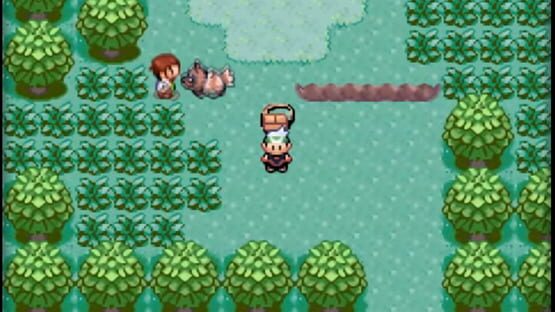
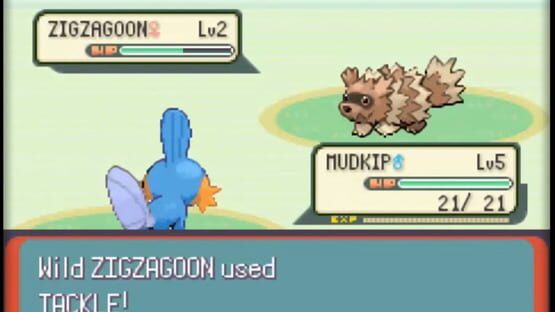
Game History
Pokémon Emerald was developed by Game Freak and published by The Pokémon Company and Nintendo for the Game Boy Advance. It was directed by Atsuko Nishida and served as an enhanced remake of Pokémon Ruby and Sapphire, following the pattern established by Pokémon Yellow, Crystal, and later games in the franchise.
The game was first released in Japan on September 16, 2004, followed by a North American release on May 1, 2005, and a European release on October 27, 2005. This staggered global rollout was standard practice for Nintendo at the time.
Pokémon Emerald received strong critical acclaim upon launch, with reviewers praising its improved story, expanded Pokédex, and enhanced visuals compared to Ruby and Sapphire. The game sold over 9 million copies worldwide, making it one of the best-selling Game Boy Advance titles. Commercial success was immediate, as the Pokémon franchise remained at peak popularity during the mid-2000s.
Today, Pokémon Emerald holds significant historical value among collectors. The original cartridges command premium prices in the secondary market, often selling for $150 to $300 or more depending on condition, making it considerably more expensive than many other Game Boy Advance games. This high collector value stems from its popularity, limited original print runs compared to demand, and the general appreciation of Game Boy Advance titles among retro gaming enthusiasts.
An interesting development note is that Pokémon Emerald introduced Wallace, the Sootopolis City Gym Leader, as a major character while repositioning Juan to the position Emerald created for him. The game also featured an enhanced rival storyline and an improved post-game experience compared to Ruby and Sapphire.
Pokémon Emerald remains notable as one of the final Generation III games released on Game Boy Advance before the franchise transitioned to Nintendo DS, cementing its place as an important installment in Pokémon's handheld legacy.