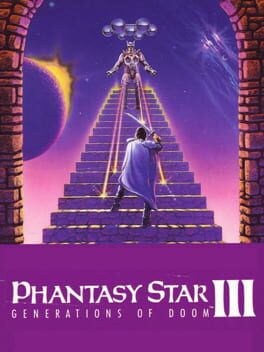
Phantasy Star III: Generations of Doom Mega Drive
Recent eBay Listings
- Phantasy Star IV for Sega Mega Drive - Original Complete Boxed PAL plus Manual £312.69
- Sega Mega Drive Game Phantasy Star III 3 Generations of Doom Boxed with Manual £99.99
- Phantasy Star III - Sega - Mega Drive - PAL - Complete + Poster £146.30
- Phantasy Star IV - Sega - Mega Drive - PAL - Complete £312.70
- Phantasy Star III (3): Sega Mega Drive Game £64.99
- Saga mega drive Phantasy star 3 £52.70
Price History
| Date | Avg Price | Low | High | Sales |
|---|---|---|---|---|
| 2026-08-06 | £162.20 | £52.70 | £312.70 | 10 |
| 2026-08-05 | £123.62 | £47.94 | £291.90 | 10 |
| 2026-08-04 | £115.20 | £46.95 | £291.90 | 10 |
| 2026-08-03 | £122.83 | £46.95 | £345.99 | 10 |
| 2026-08-02 | £130.44 | £46.95 | £345.99 | 10 |
| 2026-08-01 | £87.76 | £19.24 | £141.51 | 10 |
| 2026-07-31 | £88.96 | £19.24 | £141.51 | 10 |
| 2026-07-30 | £88.96 | £19.24 | £141.51 | 10 |
| 2026-07-29 | £108.93 | £39.99 | £291.90 | 10 |
| 2026-07-28 | £121.13 | £46.95 | £291.90 | 10 |
| 2026-07-27 | £114.88 | £46.95 | £291.90 | 10 |
| 2026-07-26 | £114.88 | £46.95 | £291.90 | 10 |
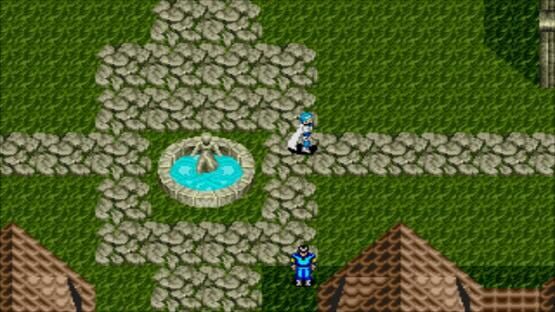
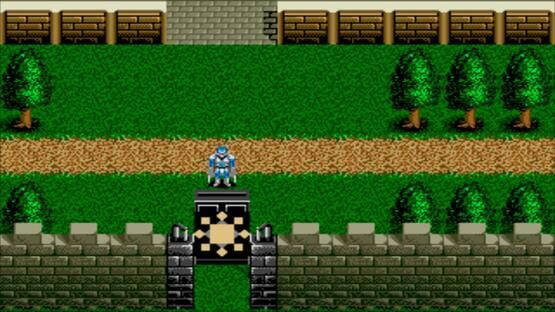
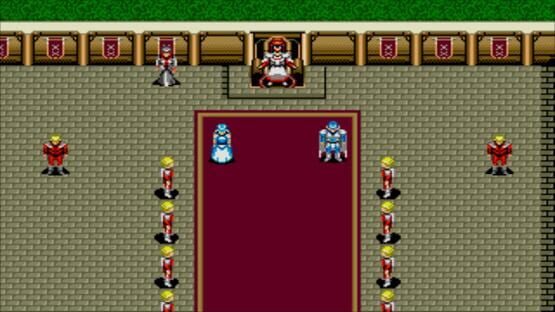
Screenshots
Game History
Phantasy Star III: Generations of Doom was developed and published by Sega for the Mega Drive (Genesis in North America). The game was created by Sega's internal development team as the third major installment in the Phantasy Star franchise, following the original Master System games.
The game was first released in Japan on December 20, 1990, followed by a North American release in 1991. A European release came later that year. Phantasy Star III represented Sega's continued effort to establish a major RPG franchise on their 16-bit console during a period when RPGs were dominated by Nintendo platforms.
Critical reception was mixed upon launch. While reviewers praised the game's presentation, colorful graphics, and ambitious scope for a Mega Drive RPG, many criticized the story structure and gameplay mechanics. The game's generational narrative system, where players' choices affected which characters joined them and which bloodline continued the story, was innovative but confusing to some players. Sales were moderate compared to competitor RPGs, and the game did not achieve the commercial success Sega had hoped for.
Today, Phantasy Star III holds significance among collectors as a notable entry in the Mega Drive's limited RPG library. The game's relative obscurity in the West and its status as a physical cartridge make it sought after by retro gaming enthusiasts. Japanese copies are particularly valuable to collectors. The game's experimental narrative structure has earned it renewed appreciation from gaming historians who study branching story design in 16-bit era RPGs.
An interesting aspect of the game's development was its ambition to create a multi-generational story spanning four different protagonists across the game's structure, which was technically impressive for the era but resulted in a narrative that felt disjointed to contemporary players more familiar with linear storytelling in console RPGs.