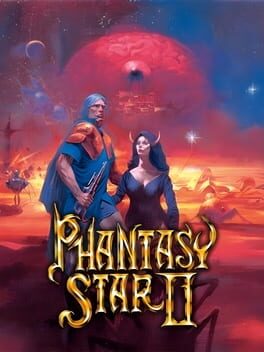
Phantasy Star II Mega Drive
Recent eBay Listings
- Phantasy Star IV for Sega Mega Drive - Original Complete Boxed PAL plus Manual £312.69
- Phantasy Star II Sega Mega Drive Boxed /w Manual Tested PAL Megadrive 1989 £130.70
- sega Mega Drive - phantasy star II 2 - boxed £47.94
- Phantasy Star IV - Sega - Mega Drive - PAL - Complete £312.70
- Phantasy Star III - Sega - Mega Drive - PAL - Complete + Poster £146.30
- MEGA DRIVE PHANTASY STAR II 2 - TESTED + WARRANTY - CHEAPEST ON EBAY - NTSC-J £19.24
Price History
| Date | Avg Price | Low | High | Sales |
|---|---|---|---|---|
| 2026-08-06 | £159.80 | £19.24 | £312.70 | 10 |
| 2026-08-05 | £111.11 | £19.24 | £291.90 | 10 |
| 2026-08-04 | £109.85 | £19.24 | £291.90 | 10 |
| 2026-08-03 | £109.00 | £19.24 | £345.99 | 10 |
| 2026-08-02 | £87.07 | £19.24 | £167.09 | 10 |
| 2026-08-01 | £87.27 | £19.24 | £167.09 | 10 |
| 2026-07-31 | £88.47 | £19.24 | £167.09 | 10 |
| 2026-07-30 | £88.47 | £19.24 | £167.09 | 10 |
| 2026-07-29 | £103.66 | £19.24 | £291.90 | 10 |
| 2026-07-28 | £112.16 | £34.99 | £291.90 | 10 |
| 2026-07-27 | £112.16 | £34.99 | £291.90 | 10 |
| 2026-07-26 | £105.23 | £34.99 | £291.90 | 10 |
Screenshots
Game History
Phantasy Star II was developed and published by Sega for the Mega Drive console. The game was directed by Kazunari Tomi and represented a major entry in Sega's science fiction RPG franchise, which had originated on the Master System.
The game was released in Japan on September 21, 1989, followed by North American release in 1990 and a European release later that year. It was one of the earlier RPGs available for the Mega Drive and helped establish the console's library in the RPG genre.
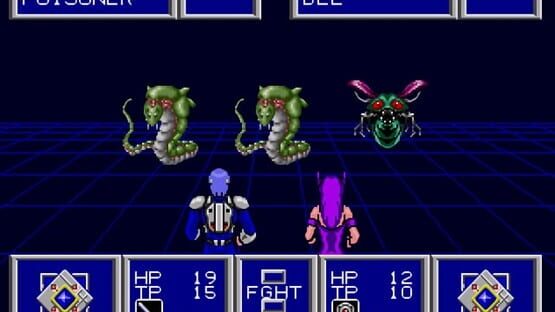
Phantasy Star II received generally positive critical reception upon launch, praised for its expansive world, party-based combat system, and technical presentation for the time. The game featured a substantial story involving a planetary ecosystem and multiple playable characters with different abilities. Commercially, it performed well in Japan and established a dedicated fanbase in North America, though it faced competition from other popular RPGs of the era.
Today, Phantasy Star II holds significant value among collectors due to its role as an early Mega Drive RPG and its status as an important entry in the larger Phantasy Star franchise. The original cartridge, particularly Japanese versions and complete-in-box copies with manuals, commands respectable prices in the collector's market. The game represents a transitional period in console RPGs and is recognized for demonstrating the Mega Drive's capabilities in the genre.
Interesting development aspects include the game's ambitious scope for early Mega Drive software and its influence on subsequent Phantasy Star titles. The game spawned a sequel, Phantasy Star III, and contributed to establishing Sega's reputation for supporting RPG development. While not achieving the cultural impact of some contemporary RPGs on other platforms, Phantasy Star II maintained a dedicated following and is regarded as a respectable representation of early-to-mid 1990s console RPG design.