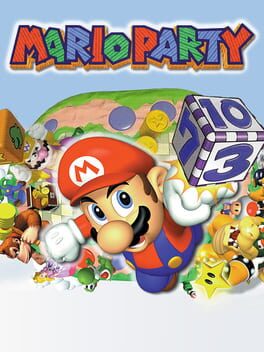
Mario Party N64
Recent eBay Listings
- Mario Party 2 Nintendo 64 game N64 PAL cartridge £42.30
- Mario Party 2 Nintendo 64 game N64 PAL cartridge £40.22
- Mario Party Nintendo 64 N64 PAL EUR Cartridge Only Genuine Tested Working £34.99
- Mario Party 2 Nintendo 64 N64 Pal Cartridge Tested Working VGC £49.99
- Mario Party 2 - UK PAL - N64 Nintendo 64 Game - Cartridge & Box - Tested Working £57.90
- N64, Mario Party Nintendo Cartridge £31.90
Price History
| Date | Avg Price | Low | High | Sales |
|---|---|---|---|---|
| 2026-08-06 | £43.64 | £3.31 | £123.66 | 10 |
| 2026-08-05 | £41.65 | £3.31 | £123.66 | 10 |
| 2026-08-04 | £47.11 | £14.00 | £123.66 | 10 |
| 2026-08-03 | £46.71 | £14.00 | £123.66 | 10 |
| 2026-08-02 | £47.62 | £14.00 | £123.66 | 10 |
| 2026-08-01 | £49.49 | £31.90 | £123.66 | 10 |
| 2026-07-31 | £47.52 | £31.90 | £123.66 | 10 |
| 2026-07-30 | £62.83 | £31.90 | £146.30 | 10 |
| 2026-07-29 | £62.83 | £31.90 | £146.30 | 10 |
| 2026-07-28 | £63.33 | £31.90 | £146.30 | 10 |
| 2026-07-27 | £51.35 | £31.90 | £123.66 | 10 |
| 2026-07-26 | £45.20 | £31.90 | £73.50 | 10 |
Screenshots
Game History
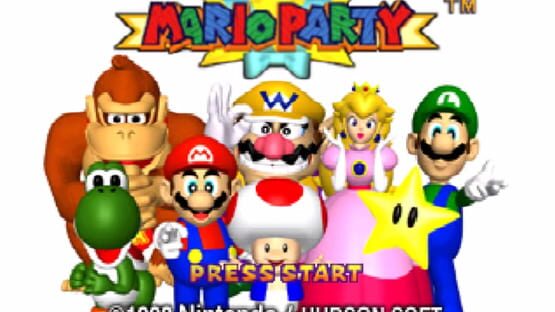
Mario Party was developed by Hudson Soft and published by Nintendo for the Nintendo 64 console. The game was directed by Kazuo Terada and represented Hudson Soft's first major collaboration with Nintendo on a party game title.
The game was released in Japan on December 21, 1998, followed by a North American release on February 8, 1999. A European release came later that same year. Mario Party introduced a new genre concept to mainstream gaming: a digital board game featuring Nintendo characters competing in turn-based gameplay mixed with mini-games.
Upon launch, Mario Party received positive critical reception, with reviewers praising its accessible gameplay, colorful presentation, and appeal as a multiplayer experience. It sold respectably during the N64 era, helping to establish the franchise as a successful series. The game performed well enough commercially to warrant multiple sequels, with Mario Party 2 following in 2000.
Today, Mario Party holds historical significance as the title that launched one of Nintendo's longest-running franchises. Original N64 cartridges remain sought after by collectors, particularly complete copies with original packaging. The game is recognized as a pioneer of the modern party game genre and influenced countless multiplayer games that followed. Its success demonstrated that character-driven, non-traditional gaming experiences could find mainstream appeal on home consoles.
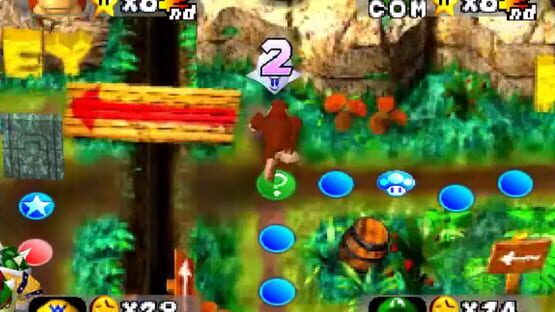
An interesting aspect of Mario Party's development was how it refined the concept of mixing board game mechanics with action-based mini-games, a formula that became the franchise's defining characteristic. The mini-games were particularly notable for their variety and use of the N64 controller's distinctive design features. The game also featured Mario universe locations and characters, giving it strong franchise appeal that helped drive its initial success and collector interest decades later.