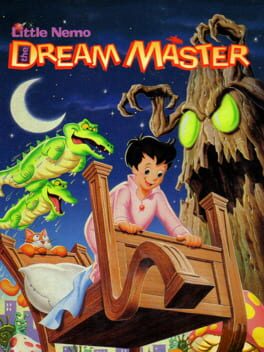
Little Nemo: The Dream Master NES
Recent eBay Listings
- Little Nemo Dream Master | Nes Nintendo Game | Cartridge Only | Tested Pal £12.95
- Little Nemo The Dream Master NES Nintendo Entertainment System | Complete In Box £34.99
- Nintendo NES Little Nemo The Dream Master Box, Sleeve, Instructions And Advert £26.00
- Nintendo NES Little Nemo The Dream Master Cartridge Only P78 £8.66
- Little Nemo The Dream Master Nintendo NES Game Cartridge Tested Working UK PAL £6.52
- Little Nemo: The Dream Master - Nintendo NES - Cart Only £9.00
Price History
| Date | Avg Price | Low | High | Sales |
|---|---|---|---|---|
| 2026-08-06 | £15.48 | £6.52 | £34.99 | 10 |
| 2026-08-05 | £18.20 | £6.52 | £37.09 | 10 |
| 2026-08-04 | £18.29 | £6.52 | £37.09 | 10 |
| 2026-08-03 | £18.38 | £6.52 | £38.00 | 10 |
| 2026-08-02 | £17.77 | £6.52 | £38.00 | 10 |
| 2026-08-01 | £17.07 | £6.52 | £38.00 | 10 |
| 2026-07-31 | £17.27 | £6.52 | £39.99 | 10 |
| 2026-07-30 | £17.57 | £6.52 | £39.99 | 10 |
| 2026-07-29 | £17.27 | £6.52 | £39.99 | 10 |
| 2026-07-28 | £17.97 | £6.52 | £39.99 | 10 |
| 2026-07-27 | £19.34 | £6.52 | £39.99 | 10 |
| 2026-07-26 | £19.34 | £6.52 | £39.99 | 10 |
Screenshots


Game History
Little Nemo: The Dream Master was developed by Capcom and released for the Nintendo Entertainment System (NES) in Japan on December 26, 1990, followed by a North American release in 1991. The game was based on the classic comic strip "Little Nemo in Slumberland" by Winsor McCay, which debuted in 1905.
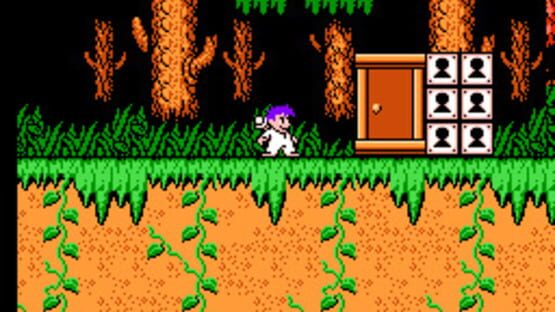
The game was directed by Kazuki Uchida and featured colorful, detailed pixel art that showcased the NES's visual capabilities. Players controlled young Nemo as he navigated through dreamlike levels inspired by the original comic strip's surreal aesthetic. The gameplay mechanic uniquely allowed Nemo to capture and ride various creatures, each granting different abilities necessary to progress through levels and solve environmental puzzles.
Little Nemo received modest commercial attention upon its release but did not achieve blockbuster status in the competitive early 1990s video game market. However, critics generally praised its imaginative level design, charming visuals, and innovative creature-capture mechanic. The game was noted for its faithful adaptation of McCay's distinctive art style into interactive form.
Today, Little Nemo is considered historically significant among NES collectors for several reasons. The game's unique gameplay mechanics and artistic presentation have made it increasingly appreciated in retrospective analysis of the NES library. Its rarity in certain regions and the licensing challenges associated with the McCay property have contributed to its desirability among collectors, with cartridges commanding respectable prices on the secondary market.
An interesting aspect of the game's development is how Capcom successfully translated the whimsical, non-linear dream logic of the original comic strip into structured video game levels without losing the source material's character. The creature-riding system was innovative for its time and influenced later game design concepts. The game remains relatively overlooked compared to other major NES titles, making it a notable example of a quality game that didn't achieve mainstream recognition during the NES era but has gained appreciation among gaming historians and enthusiasts over subsequent decades.