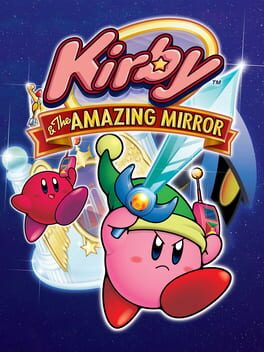
Kirby & the Amazing Mirror Game Boy Advance
Recent eBay Listings
- Kirby & The Amazing Mirror - Nintendo Game Boy Advance 100% Genuine PAL GBA Cart £63.10
- Kirby and the Amazing Mirror - Game Boy Advance GBA - Cart only. £13.99
- Kirby and the Amazing Mirror Nintendo Game Boy Advance £15.08
- Kirby & The Amazing Mirror Advance Nintendo Gameboy Advance Game, GENUINE £95.00
- Kirby & The Amazing Mirror – Nintendo Game Boy Advance GBA – Authentic Cartridge £31.79
- Kirby & the Amazing Mirror Nintendo Game Boy GBA, Cartridge Only Classic £39.59
Price History
| Date | Avg Price | Low | High | Sales |
|---|---|---|---|---|
| 2026-08-06 | £55.79 | £13.99 | £208.70 | 10 |
| 2026-08-05 | £63.25 | £13.99 | £199.99 | 10 |
| 2026-08-04 | £66.71 | £13.99 | £208.70 | 10 |
| 2026-08-03 | £73.98 | £13.99 | £208.70 | 10 |
| 2026-08-02 | £73.98 | £13.99 | £208.70 | 10 |
| 2026-08-01 | £67.09 | £13.99 | £208.70 | 10 |
| 2026-07-31 | £69.33 | £13.99 | £208.70 | 10 |
| 2026-07-30 | £73.77 | £13.99 | £208.70 | 10 |
| 2026-07-29 | £65.80 | £13.99 | £208.70 | 10 |
| 2026-07-28 | £66.31 | £13.99 | £208.70 | 10 |
| 2026-07-27 | £65.27 | £13.99 | £208.70 | 10 |
| 2026-07-26 | £69.58 | £13.99 | £208.70 | 10 |
Screenshots
Game History
Kirby & the Amazing Mirror was developed by HAL Laboratory and published by Nintendo for the Game Boy Advance. The game was directed by Masahiro Sakurai, who had established himself as the creative force behind the Kirby franchise. Development began in the early 2000s as HAL Laboratory sought to create a unique Kirby experience that leveraged the GBA's capabilities.
The game was first released in Japan on November 13, 2004, followed by a North American release on January 10, 2005, and a European release later that year. It arrived near the end of the Game Boy Advance's commercial lifecycle, which affected its initial visibility in the market.
Upon launch, Kirby & the Amazing Mirror received generally favorable critical reviews, with critics praising its colorful graphics, creative copy ability system, and charming aesthetic. However, commercial performance was modest, partly due to the GBA's declining popularity as next-generation consoles approached. The game sold respectably but never achieved the blockbuster status of earlier Kirby titles.
Today, the game holds significant value among collectors for several reasons. It remains one of the last notable first-party GBA releases and is increasingly sought after as the Game Boy Advance cartridge market has grown competitive. Mint condition copies, particularly Japanese variants, command premium prices in the secondary market. The game's relative scarcity compared to earlier GBA releases has contributed to its collector appeal.
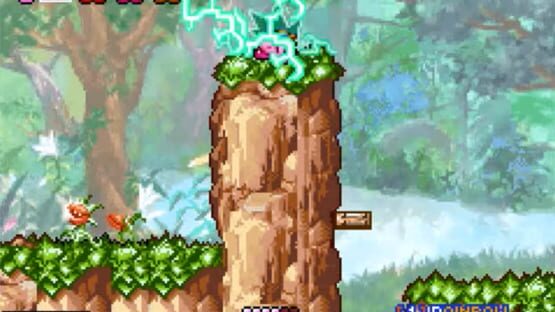
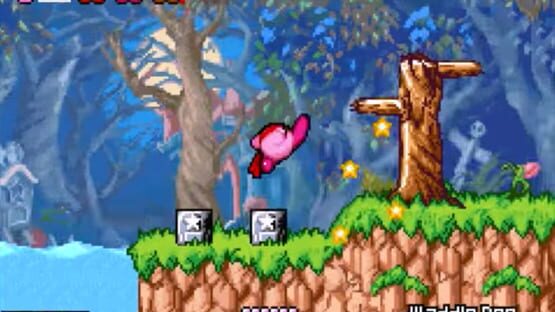
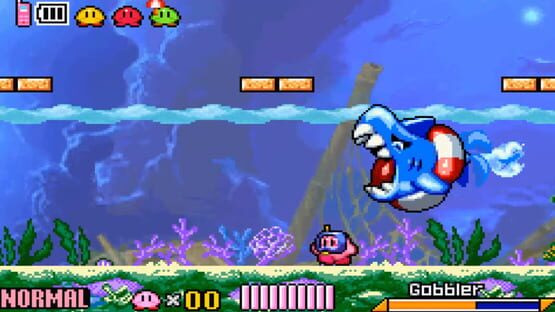
An interesting aspect of the game's development was its use of a unique map-based level structure that differed substantially from traditional Kirby platformers, emphasizing exploration and maze-like design. This experimental approach was notable for the franchise, though it would not become a template for future Kirby games.
The game was later ported to Nintendo's Virtual Console, making it accessible to a broader audience, though original cartridges remain the preferred format for collectors. Kirby & the Amazing Mirror stands as a distinctive entry in the Kirby legacy, representing HAL Laboratory's willingness to innovate within established franchises during the GBA era.