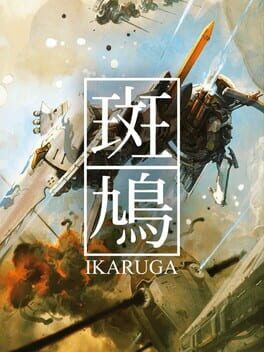
Ikaruga Dreamcast
Recent eBay Listings
See all listings on eBay →Price History
| Date | Avg Price | Low | High | Sales |
|---|---|---|---|---|
| 2026-08-06 | £134.13 | £69.80 | £254.82 | 3 |
| 2026-08-05 | £134.13 | £69.80 | £254.82 | 3 |
| 2026-08-04 | £129.28 | £69.80 | £256.88 | 4 |
| 2026-08-03 | £129.28 | £69.80 | £256.88 | 4 |
| 2026-08-02 | £129.28 | £69.80 | £256.88 | 4 |
| 2026-08-01 | £129.28 | £69.80 | £256.88 | 4 |
| 2026-07-31 | £136.57 | £69.80 | £256.88 | 4 |
| 2026-07-30 | £156.46 | £69.80 | £256.88 | 3 |
| 2026-07-29 | £146.95 | £69.80 | £256.88 | 3 |
| 2026-07-28 | £156.46 | £69.80 | £256.88 | 3 |
| 2026-07-27 | £139.00 | £69.80 | £226.23 | 3 |
| 2026-07-26 | £146.11 | £69.80 | £226.23 | 3 |
Screenshots
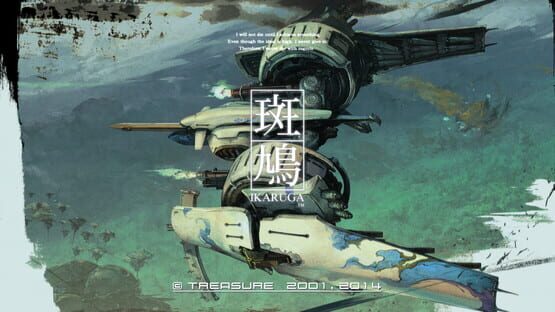
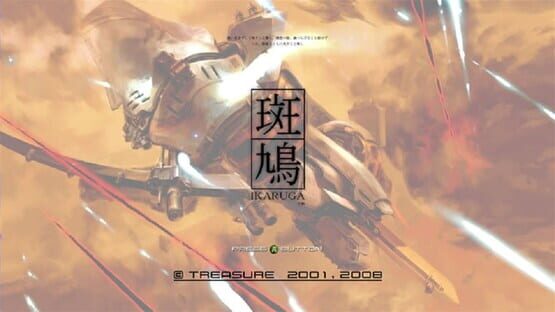
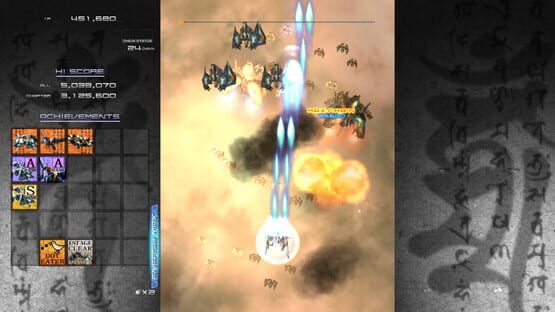
Game History
Ikaruga was developed by Treasure, a renowned Japanese video game developer known for action-oriented titles. The game was directed by Masari Araya and represented Treasure's ambitious attempt to create a successor to their earlier bullet-hell shooter Radiant Silvergun. Development took place during the later stages of the Dreamcast's commercial life.
Ikaruga was released in Japan on December 21, 2001, exclusively for the Sega Dreamcast. The game never received an official release on the Dreamcast in North America or Europe, making the Japanese version the only original hardware release during the console's lifetime. This limited initial distribution significantly impacted its availability and awareness in Western markets at launch.
Critical reception was positive among those who experienced it, with reviewers praising its innovative polarity-switching mechanic that allowed players to absorb bullets of matching colors while taking damage from opposite colors. However, commercial success was limited due to the Dreamcast's declining market position in 2001, just as Sega was preparing to exit the console hardware business. The game's difficulty and niche appeal also limited its mainstream audience.
Today, Ikaruga is historically significant to collectors for several reasons. The original Dreamcast release commands high prices on the secondhand market due to its scarcity and the console's cult status. The game has since been ported to GameCube, Xbox 360, Nintendo Switch, and PC, introducing it to broader audiences decades after its original release. These ports have cemented its legacy as an influential bullet-hell shooter that demonstrated innovative game design during a transitional period in gaming history.
An interesting aspect of Ikaruga's development was Treasure's decision to implement the polarity system as a core mechanic rather than a gimmick, creating a deep strategic layer that rewarded pattern recognition and memorization. The game's technical polish and artistic direction impressed critics despite the Dreamcast's technical limitations, showcasing Treasure's design philosophy prioritizing gameplay innovation over graphical power.