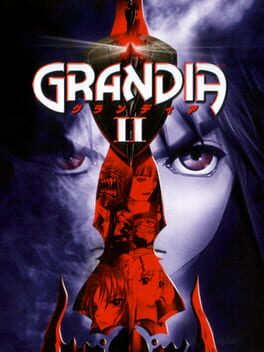
Grandia II Dreamcast
Recent eBay Listings
- GRANDIA II 2 (Sega Dreamcast, PAL, 2001) - Complete Mint Cond £60.00
- GRANDIA II 2 (Sega Dreamcast, PAL, 2001) - Complete £63.10
- Grandia II 2 Sega Dreamcast PAL 2001 Complete with Manual Ubisoft RPG Tested £64.99
- Grandia II - Sega Dreamcast - UK PAL - Fully Boxed CIB £73.50
- PAL Sega Dreamcast game - Grandia II (2) - GER £52.70
- Grandia II - Sega Dreamcast - UK PAL £94.30
Price History
| Date | Avg Price | Low | High | Sales |
|---|---|---|---|---|
| 2026-08-06 | £60.37 | £21.50 | £102.91 | 10 |
| 2026-08-05 | £60.60 | £21.50 | £102.73 | 10 |
| 2026-08-04 | £59.55 | £21.50 | £102.73 | 10 |
| 2026-08-03 | £68.57 | £21.50 | £141.99 | 10 |
| 2026-08-02 | £68.57 | £21.50 | £141.99 | 10 |
| 2026-08-01 | £59.54 | £21.50 | £102.73 | 10 |
| 2026-07-31 | £20.31 | £14.25 | £31.55 | 3 |
| 2026-07-30 | £52.23 | £14.23 | £94.30 | 10 |
| 2026-07-29 | £55.70 | £11.29 | £104.10 | 10 |
| 2026-07-28 | £52.51 | £11.29 | £94.30 | 10 |
| 2026-07-27 | £57.86 | £21.50 | £104.10 | 10 |
| 2026-07-26 | £57.86 | £21.50 | £104.10 | 10 |
Screenshots
Game History
Grandia II was developed and published by Game Arts for the Sega Dreamcast console. The game was directed by Kazushige Nojima and represented a significant entry in the Grandia franchise, which had established itself on PlayStation platforms.
The game was released in Japan on December 29, 1999, followed by a North American release on August 15, 2000. A European release came later in 2001. Grandia II arrived during the Dreamcast's critical window in Western markets, positioning it as a major RPG for the console.
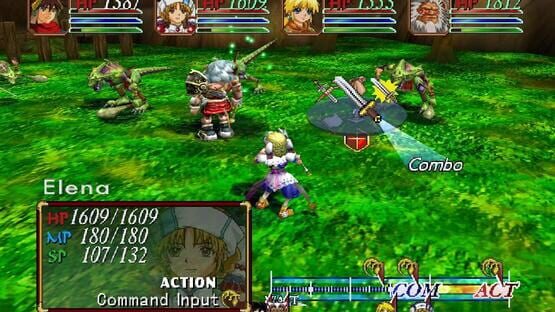
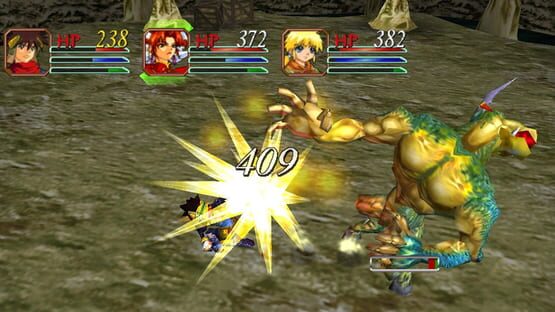
Critical reception was generally positive, with reviewers praising its colorful graphics, engaging combat system, and character-driven narrative. The game's real-time battle system offered a departure from traditional turn-based mechanics, featuring a timeline-based approach that influenced party strategy. However, some critics noted the game's relatively linear structure and story pacing issues. It achieved moderate commercial success but remained overshadowed by other RPG releases on the platform.
Today, Grandia II holds historical significance for collectors, particularly in North America, because the Dreamcast's early discontinuation in 2001 left the game's western releases with limited print runs. Sealed copies command premium prices in the collector's market, making it one of the more valuable Dreamcast RPGs. The game became emblematic of the Dreamcast's underappreciated library as retrospective interest in the console grew over subsequent decades.
An interesting aspect of the game's development was Game Arts' decision to expand the scope significantly from the original Grandia, creating a standalone story rather than a direct sequel, which helped attract both series fans and newcomers. The soundtrack, composed by Kei Shigema and others, received particular acclaim for its orchestral arrangements.
Grandia II has been ported to multiple platforms over the years, including PlayStation 2, Nintendo Switch, and PC, introducing the game to new audiences. However, the original Dreamcast version remains the most sought-after by collectors, cementing its place in video game history as both a quality RPG experience and a snapshot of the Dreamcast era.