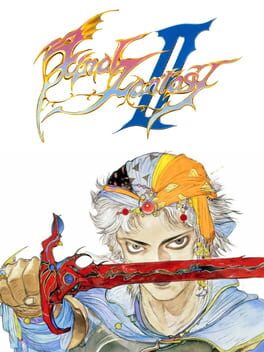
Final Fantasy II NES
Recent eBay Listings
- Final Fantasy II 2 Famicom NES CIB Box Manual Cartridge Square Japan Used £33.92
- Final Fantasy II (FF 2) NES video game boxed English version £102.00
- Nintendo Famicom Lot of Cartridges Japanese Games FC Japanese NES 2026/07/09 £26.65
- Final Fantasy III (FF 3) NES video game boxed English version £102.00
- Nintendo Power Magazine Nov 1991 Volume 30 Final Fantasy II GameBoy NES £11.80
- Famicom FINAL FANTASY II 2 Cartridge Only Nintendo fc £14.26
Price History
| Date | Avg Price | Low | High | Sales |
|---|---|---|---|---|
| 2026-08-06 | £79.68 | £9.46 | £445.49 | 10 |
| 2026-08-05 | £83.86 | £9.47 | £446.02 | 10 |
| 2026-08-04 | £83.58 | £9.48 | £446.65 | 10 |
| 2026-08-03 | £84.16 | £11.12 | £445.00 | 10 |
| 2026-08-02 | £69.32 | £11.12 | £445.00 | 10 |
| 2026-08-01 | £70.93 | £9.45 | £445.00 | 10 |
| 2026-07-31 | £71.42 | £9.46 | £445.56 | 10 |
| 2026-07-30 | £70.97 | £9.53 | £448.76 | 10 |
| 2026-07-29 | £69.53 | £9.59 | £451.49 | 10 |
| 2026-07-28 | £69.53 | £9.59 | £451.49 | 10 |
| 2026-07-27 | £69.39 | £9.56 | £450.27 | 10 |
| 2026-07-26 | £69.39 | £9.56 | £450.27 | 10 |
Screenshots
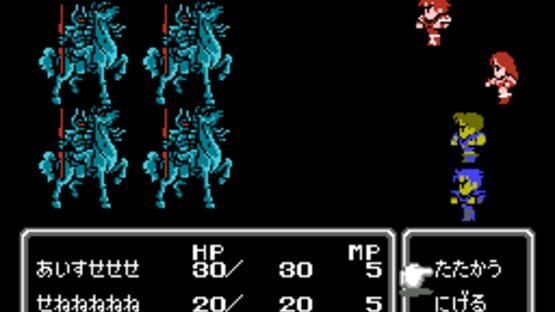
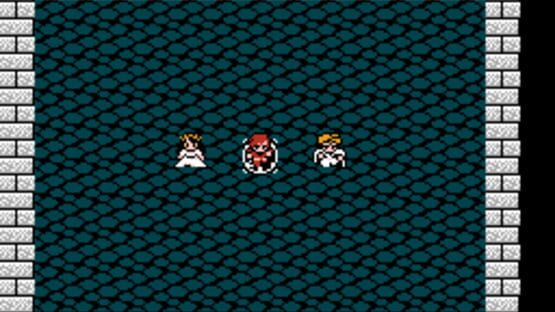
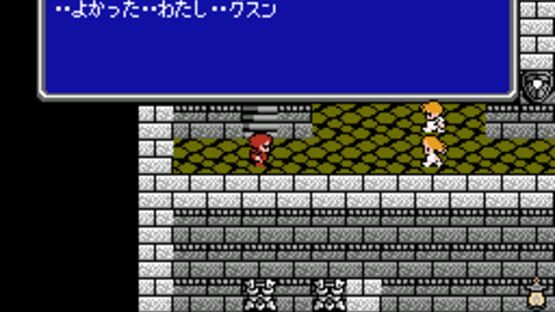
Game History
Final Fantasy II was developed and published by Square for the Nintendo Famicom in Japan on December 29, 1988. The game was directed by Hironobu Sakaguchi and featured music composed by Nobuo Uematsu. It arrived approximately two years after the original Final Fantasy's success, capitalizing on the franchise's growing popularity in Japan.
The game never received an official release outside Japan during the 8-bit era, making it exclusive to the Famicom. This regional limitation significantly impacted its initial commercial reach, though it performed well domestically in Japan. The North American release would not occur until 2003, when Square Enix localized it for the Game Boy Advance as part of the Final Fantasy Origins compilation.
Final Fantasy II introduced several gameplay innovations that distinguished it from its predecessor, including a character-driven narrative focused on the rebels fighting against an oppressive empire, and a job-less leveling system where character statistics improved through use rather than experience points. Despite mixed critical reception at launch—some praised its story ambition while others found the leveling system confusing—the game sold respectably in Japan and maintained a dedicated following.
Today, Final Fantasy II holds significant historical value for collectors, particularly the original Famicom cartridge. The game's Japan-only release status, combined with the Famicom's enduring collectibility, makes authentic cartridges sought-after items. Additionally, its role in establishing Final Fantasy as a major franchise and its experimental design choices have earned it respect among video game historians and enthusiasts studying the series' evolution.
An interesting aspect of the game's legacy is how Western audiences' belated access through the GBA compilation altered perceptions of the game's quality and design. The decades-long gap between the Japanese original and Western localization created mystique around the title, and retrospective analysis has rehabilitated its reputation among fans who initially dismissed it based on second-hand accounts rather than direct experience.