
Ecco the Dolphin Mega Drive
Recent eBay Listings
- Ecco the Dolphin - SEGA Mega Drive 16 Bit cartridge £12.93
- Ecco The Dolphin Sega Mega Drive 2 Original Magazine Pages Poster Style Advert £14.95
- Sega Mega Drive: Ecco The Dolphin Game Megadrive Cartridge Genesis £7.59
- Ecco the Dolphin 1992 Sega Mega Drive Action-Adventure Game Cartridge w/ Manual £12.99
- Ecco The Dolphin - SEGA Mega Drive | Game Cartridge £3.95
- SEGA Ecco the Dolphin Sega Mega Drive Game Cartridge w/ Manual Included £8.98
Price History
| Date | Avg Price | Low | High | Sales |
|---|---|---|---|---|
| 2026-08-06 | £9.23 | £3.95 | £14.95 | 10 |
| 2026-08-05 | £10.25 | £3.95 | £14.95 | 10 |
| 2026-08-04 | £9.76 | £3.95 | £13.99 | 10 |
| 2026-08-03 | £14.15 | £6.52 | £31.89 | 10 |
| 2026-08-02 | £12.24 | £3.95 | £31.89 | 10 |
| 2026-08-01 | £12.34 | £3.95 | £31.89 | 10 |
| 2026-07-31 | £9.57 | £3.95 | £14.95 | 10 |
| 2026-07-30 | £11.17 | £3.95 | £24.00 | 10 |
| 2026-07-29 | £10.52 | £3.95 | £24.00 | 10 |
| 2026-07-28 | £10.87 | £3.95 | £24.00 | 10 |
| 2026-07-27 | £8.65 | £3.95 | £12.94 | 10 |
| 2026-07-26 | £11.12 | £3.95 | £24.00 | 10 |
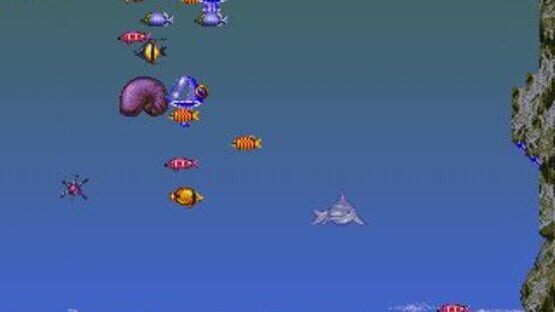
Screenshots


Game History
Ecco the Dolphin was developed by Novotrade International and published by Sega for the Mega Drive console. The game was created under the direction of Ed Annunziata, who served as the project's lead designer and creative force behind the dolphin protagonist and the game's unique underwater world.
The game was first released in North America in September 1992, followed by releases in Europe and Japan. It became one of the more distinctive titles in Sega's console library, standing out from typical platformers of the era through its unusual premise and gameplay mechanics centered around playing as a dolphin navigating oceanic environments.
Critical reception was mixed at launch. While reviewers praised the game's originality, striking visual presentation, and innovative use of the Mega Drive's capabilities, many found the difficulty level punishing and the gameplay confusing. Commercial performance was modest, though the game developed a cult following over time. The game's ambitious scope and unusual design choices generated significant discussion in gaming publications.
Ecco the Dolphin has become historically significant among collectors and retro gaming enthusiasts for several reasons. It represents a bold creative risk from a major publisher, demonstrating Sega's willingness to experiment beyond traditional gaming formulas. The game's distinctive art style, atmospheric soundtrack by Spencer Nilsen, and imaginative world-building have earned it recognition as a cult classic. Original cartridges in good condition command respectable prices in the collector's market, particularly complete-in-box versions with manuals and cases.
An interesting aspect of the game's development was its ambitious scope for the hardware. The team pushed the Mega Drive to create detailed underwater visuals and a cohesive aquatic world. The game spawned a sequel, Ecco: The Tides of Time, released in 1994, which expanded on the original's formula. Despite initial commercial underperformance, Ecco the Dolphin has been reassessed by gaming historians as an important example of 16-bit era creativity and remains fondly remembered by those who experienced it during the Mega Drive's lifespan.