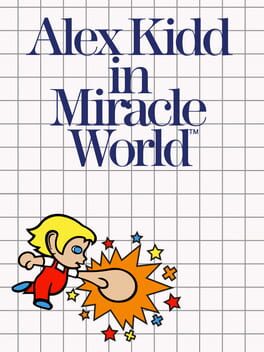
Alex Kidd in Miracle World Master System
Recent eBay Listings
- Sega Master System Alex Kidd in Miracle World PAL UK SMS £73.50
- Alex Kidd In Miracle World SEGA Master System Complete. Tested and working. £98.00
- Alex Kidd In Miracle World SEGA Master System Complete Very Good Condition £208.70
- Alex Kidd: Miracle World (Master System) *NO MANUAL* £82.99
- SEGA Master System Alex Kidd in Miracle World Manual Original PAL £8.11
- Alex Kidd in Miracle World - Sega Master System - VERY RARE £187.90
Price History
| Date | Avg Price | Low | High | Sales |
|---|---|---|---|---|
| 2026-08-06 | £110.68 | £8.11 | £208.70 | 9 |
| 2026-08-05 | £97.44 | £8.11 | £208.70 | 9 |
| 2026-08-04 | £97.44 | £8.11 | £208.70 | 9 |
| 2026-08-03 | £98.60 | £8.11 | £208.70 | 9 |
| 2026-08-02 | £81.49 | £8.11 | £208.70 | 9 |
| 2026-08-01 | £98.60 | £8.11 | £208.70 | 9 |
| 2026-07-31 | £99.54 | £8.11 | £208.70 | 10 |
| 2026-07-30 | £89.72 | £8.11 | £208.70 | 9 |
| 2026-07-29 | £89.72 | £8.11 | £208.70 | 9 |
| 2026-07-28 | £106.13 | £8.11 | £208.70 | 9 |
| 2026-07-27 | £92.26 | £8.11 | £208.70 | 9 |
| 2026-07-26 | £92.26 | £8.11 | £208.70 | 9 |
Screenshots
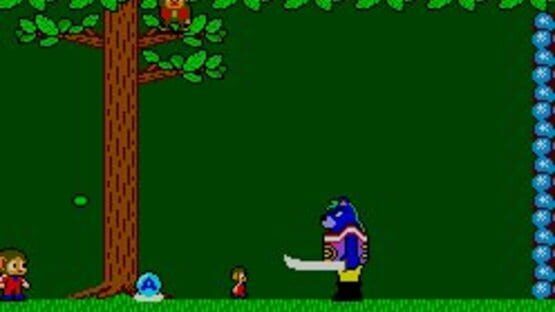
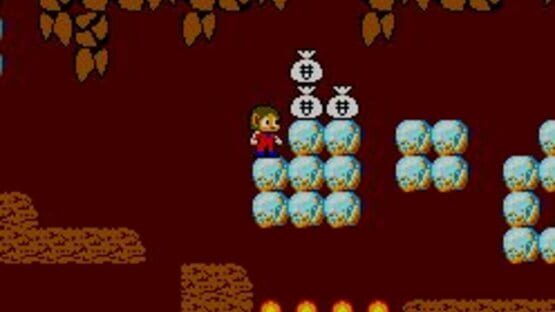
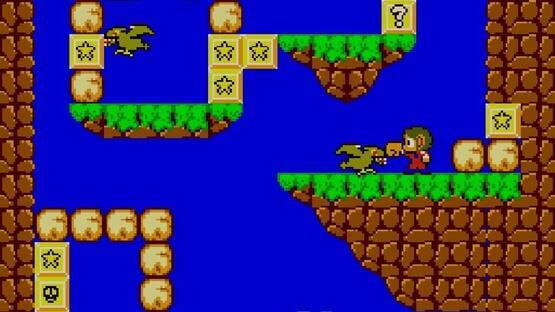
Game History
Alex Kidd in Miracle World was developed and published by Sega as a launch title for the Master System console. The game was created by Sega's internal development team and directed by Kazuhisa Iwata, with music composed by Yuzo Koshiro, who would become renowned for his work on the Shinobi and Streets of Rage soundtracks.
The game was first released in Japan on September 21, 1985, coinciding with the Japanese Master System launch. It subsequently rolled out to other territories as the Master System expanded globally, becoming one of the system's flagship titles and serving as the pack-in game in many regions outside Japan, where it was bundled with consoles to help establish the platform against Nintendo's dominant NES.
Alex Kidd in Miracle World received positive critical reception upon release, with reviewers praising its colorful graphics, responsive controls, and charming protagonist. The game was commercially successful and helped establish the Master System as a viable competitor in the home console market during the mid-1980s. Its popularity was instrumental in building the Master System's library and player base.
Today, the game holds significant historical importance for retro gaming collectors and enthusiasts. It represents an important chapter in Sega's console history and is valued as a definitive example of mid-1980s platformer design. Original cartridges and boxed versions are sought after by collectors, particularly Japanese releases and variant regional versions. The game's cultural impact extends beyond its original release, as it established Alex Kidd as an early Sega mascot before Sonic the Hedgehog's debut in 1991.
One notable aspect of the game's development was Yuzo Koshiro's memorable chip-tune soundtrack, which became iconic among Master System players and contributed significantly to the game's enduring appeal. The game's blend of action platforming with unconventional boss encounters, including rock-paper-scissors mini-games, provided a unique experience that differentiated it from contemporary platformers and helped it remain memorable to players decades later.