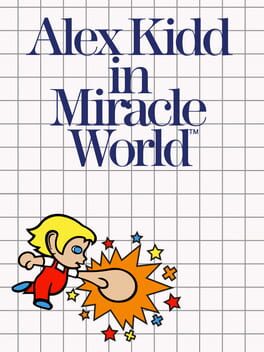
Alex Kidd in Miracle World Master System
Recent eBay Listings
- Sega Master System Alex Kidd in Miracle World PAL UK SMS £73.50
- Alex Kidd In Miracle World SEGA Master System Complete. Tested and working. £98.00
- Alex Kidd In Miracle World SEGA Master System Complete Very Good Condition £208.70
- Alex Kidd: Miracle World (Master System) *NO MANUAL* £82.99
- SEGA Master System Alex Kidd in Miracle World Manual Original PAL £8.11
- Alex Kidd in Miracle World - Sega Master System - VERY RARE £187.90
Price History
| Date | Avg Price | Low | High | Sales |
|---|---|---|---|---|
| 2026-08-06 | £110.68 | £8.11 | £208.70 | 9 |
| 2026-08-05 | £97.44 | £8.11 | £208.70 | 9 |
| 2026-08-04 | £97.44 | £8.11 | £208.70 | 9 |
| 2026-08-03 | £98.60 | £8.11 | £208.70 | 9 |
| 2026-08-02 | £81.49 | £8.11 | £208.70 | 9 |
| 2026-08-01 | £98.60 | £8.11 | £208.70 | 9 |
| 2026-07-31 | £89.72 | £8.11 | £208.70 | 9 |
| 2026-07-30 | £89.72 | £8.11 | £208.70 | 9 |
| 2026-07-29 | £89.72 | £8.11 | £208.70 | 9 |
| 2026-07-28 | £106.13 | £8.11 | £208.70 | 9 |
| 2026-07-27 | £95.50 | £8.11 | £208.70 | 9 |
| 2026-07-26 | £92.26 | £8.11 | £208.70 | 9 |
Screenshots
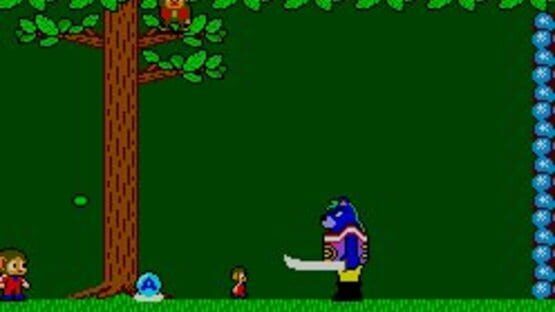
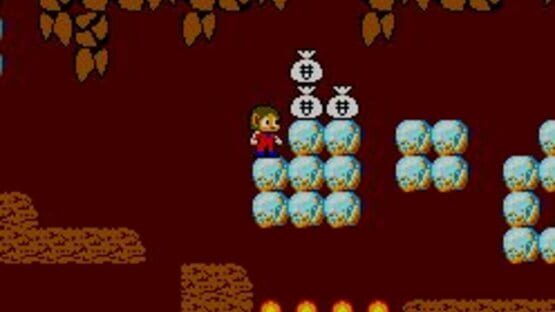
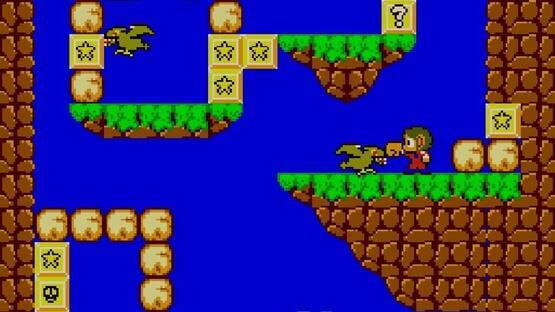
Game History
Alex Kidd in Miracle World was developed and published by Sega as a launch title for the Master System console in Japan on September 6, 1985. The game was created by Sega's internal development team and was designed to serve as the system's flagship platformer, introducing the character Alex Kidd to players worldwide. The game subsequently released in North America in 1986 and in Europe shortly after, helping establish the Master System's game library across multiple regions.
The game received generally positive reception from critics and players upon release, praised for its colorful graphics, varied level design, and responsive controls. It was commercially successful in Japan and performed reasonably well in other markets, establishing itself as one of the Master System's notable titles. However, it was eventually overshadowed by other platformers on the system and competed for attention as more games entered the Master System's catalog.
Today, Alex Kidd in Miracle World holds significant historical importance for collectors and gaming historians. It represents an early example of Sega's attempts to create a mascot character to rival Nintendo's Mario, predating Sonic the Hedgehog by several years. The game is valued by collectors as a foundational piece of Master System history and as evidence of Sega's early console era ambitions. Original cartridges in good condition command moderate collector prices, and the game appears regularly in Master System compilations and retrospectives.
An interesting aspect of the game's design is its use of rock-paper-scissors mini-games as boss encounters, a unique mechanic that set it apart from other platformers of the era. This quirky design choice has become one of the game's most memorable and discussed features in retrospective analysis. The game's popularity in Japan remained stronger than in Western markets, reflecting regional differences in platformer preferences during the 1980s. Alex Kidd in Miracle World remains recognized as an important title in the history of console gaming and Master System's library.